
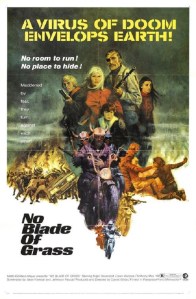
 So, I lost a coin toss with myself a few days ago and ended up watching a pretty dark film from the lower end of the bucket list. Reasons, I guess. I also guess I should put a trigger warning here, as this one’s something else.
Grim meets garish (plus tax where applicable) in Cornel Wilde’s 1970 apocalyptic survival shocker No Blade of Grass, which is very likely not a film you want to see if you’re holed up in quarantine for a spell. Then again, it’s a film that’s brutal to watch under any circumstances, with its kind of timely by today’s calendar plot and Wilde’s decision to linger on some scenes that are a bit too exploitative and counteract whatever strong ecological message he was trying to send.
Then again, the source material wasn’t exactly a pleasant story either. Still, Wilde (who co-wrote, directed, and produced the film) gets his powerful message across from the opening moments, using a sledgehammer of assorted mostly stock imagery of polluted water, air and land, plus what seems to be clips of a dying emaciated child to let you know business is meant in all that intensity of the opening moments. I think there was a nuclear explosion in there somewhere as well, but I might have been busy trying to find my jaw, which was under the sofa when it fell off and rolled under it. I need to vacuum more, it seems, as my chin was a bit dusty when I located it. Uh, so mind-blowing and downbeat opening, plus a reach for a finger pistol depressing tune (sung by Roger Whittaker!) as a main title? Check.
(Thanks, The Film Archives!)


 From looking at

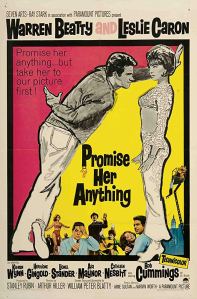


 So I did something out of the ordinary (for me, as least). I went and saw a film I didn’t like the first time with hopes that the second time would me somewhat more enjoyable. It wasn’t, but at least what I saw was a bit more polished and I kind of got it a tad more. Yeah, I saw

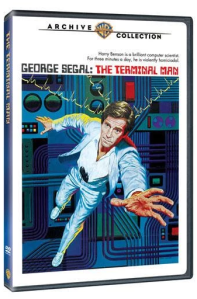 I hadn’t seen Mike Hodges’ somewhat exceptional
  That initial derision from my younger self was also a definite case of being too young to grasp the film’s tone and my only exposure to Segal’s work being a few comedic and lighter performances. Seeing the film now reveals the range and rage on display, or an actor fully in charge of the character he’s inhabiting. As Harry Benson, a computer scientist prone to anger and seizures, he goes through an experimental surgery that has a tiny computer hooked into his brain to keep things under control.

 Marketed as a a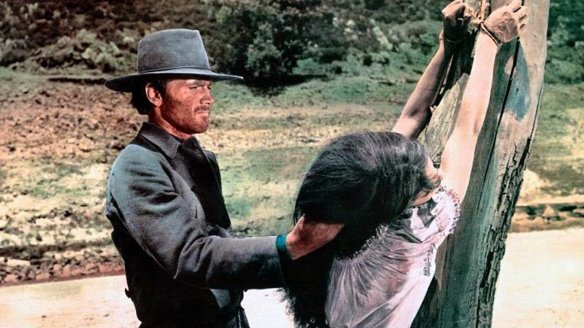


 "DESTROY ALL FANBOYS!"