
 I somehow missed out on Frank Henenlotter’s Brain Damage when it was first released back in 1987, but it’s been on my very long list of films to see for quite some time. Arrow Video’s recent restoration is pretty awesome and is filled to the brim with some great bonus features. Depending on your tastes this is one of those outrageously creative films that you’ll love or hate, but like Henenlotter’s other exploitation flicks (the three Basket Case movies, Frankenhooker, Bad Biology), your best bet is to jump in feet first and enjoy the wild ride.
When a somewhat phallic-shaped brain-eating parasite named Aylmer (or Elmer) escapes from the apartment of the elderly couple keeping it as a twisted addiction source and ends up a few doors away with a new host, Brian (Rick Herbst), things get gory quite quickly. The old couple had been feeding Aylmer fresh from the meat market calf brains thinking they could sate his hunger, but you know how these things go in movies like this, right? Yes, there’s an explanation for how the parasite ended up in the apartment of that couple, but that comes later on in the film and I’m not telling.

 One of those interesting “message” pictures of the 50’s, Robert Aldrich’s 1955 filmed version of Clifford Odets’ 1949 play



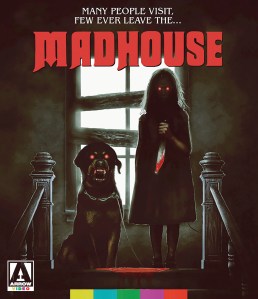 Ovidio G. Assonitis’ 1981 horror flick
 Is the Weyland-Yutani Corporation made up of really stupid, willfully ignorant, and incredibly single-minded people hell-bent on burning through piles of money and human bodies every chance they get… or am I missing something here? Every time they try to get an certain cranky, homicidal alien life form for their research or whatever other unsavory purposes, bad things happen and just get worse. I could just blame the robots, but it hasn’t *always* been their fault.




 Speaking of stuff that creeps around gardens you can accidentally squash, let’s talk about
 An absolutely fascinating look at plasmodial slime mold and a few of the people who love it,
 With most exploitation films, it’s best to jump in cold and hang on for dear life because over-scrutinizing every frame can mean missing out on what a film really has to offer. Flaws and logic gaps are commonplace as many genre films tend to be rushed (or pay homage to earlier rushed flicks) and rely on copious nudity, sexual content, and/or graphic violence to make their points. Of course, that’s probably one reason why they’re so appreciated by those of us with time to spend watching as many as we can fit into out libraries. You know who you are, so wave that flag proudly, pal.
 "DESTROY ALL FANBOYS!"