
 Having had items stolen from me in the past, I’m not at all a fan of thievery as a *proper* lifestyle choice (grrr!). That said, it’s hard to pass up a good (fake) crime caper and Jules Dassin’s wonderful, amusing 1964 film Topkapi has been a favorite of mine for decades ever since I saw it as a kid. There’s just something magical about Dassin’s work here. It was his first color film and boy, does he blow the doors out right from the near seizure-inducing start (you’ll probably wince/squint a few times with all those color filters and such coming at you full tilt), and it’s also a film that gets you grinning from start to finish.
It’s more or less the flip the switch to comic tone version of Dassin’s bleak but brilliant 1955 film Rififi with a more varied cast and an even better lengthy heist scene. It’s also a film that’s since inspired a few directors to steal liberally from it (to varied effects), but that’s another discussion for another day. Here, you get Melina Mercouri, smoky voice and all as the lovely Elizabeth Lipp, who has the grand idea to steal a jeweled dagger from Topkapi Palace in Istanbul. She seeks out an ex-lover (Maximilian Schell) who just so happens to be a thief of some renown and the pair plan out their caper with the intent to use nothing but amateurs unknown to any authorities who come sniffing around after the crime has been committed.


 Taking the wheel from original developer Oovee Game Studios, the talented team at

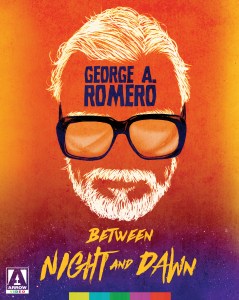 What do you do after making one of the most influential horror films ever? Given that George Romero really didn’t have much of a clue that his first film, Night of the Living Dead would become such an essential genre masterpiece, the director went on to make a few different films between 1971 and 1975 that were either interesting failed experiments or more polished but flawed films all worth a look. Arrow Video has restored and collected three of Romero’s post-NOTLD works in
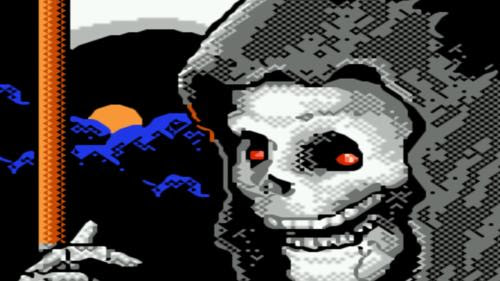


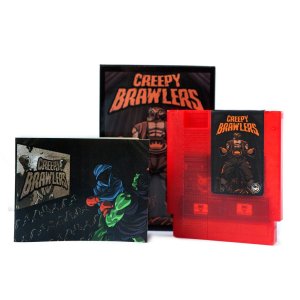


 Ah,
Ah, 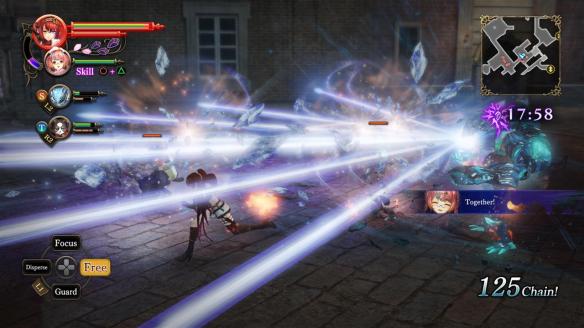

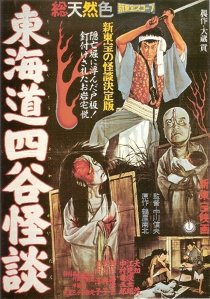 I don’t believe in ghosts at all (an unapologetic non-flaw of mine), but I do believe in a good ghost story when it works flawlessly in delivering the spine-chilling stuff that leads to a restless night. That said, Nobuo Nakagawa’s 1959 masterpiece Tōkaidō Yotsuya kaidan (Ghost Story of Yotsuya) is one of the more frightening horror films I’ve ever seen. Given that it’s based on Japan’s most popular ghost story (written as a kabuki play and originally performed in 1825), Nakagawa’s film is memorable on a few fronts, melding its stage origins with the director’s perfectly placed camera as he brings us a tried and true tale of murder and vengeance, Japanese style.
 Sneaking onto PC last month and out now on PS4,


 "DESTROY ALL FANBOYS!"