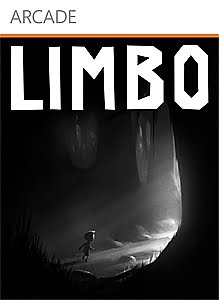
Review: LIMBO


Platform: Xbox 360

Developer: PLAYDEAD

Publisher: Xbox LIVE Marketplace

# of Players: 1

Rating: T (Teen)

Get It HERE

Score: A

I’m a grown man of a ripe middle age vintage, so a great deal of my childhood fears no longer cause me to feel any sort of trauma. These days I can laugh at folks who are still scared of minor things such as spiders, darkness, not so sturdy surfaces or even bear traps. Well, OK… bear traps are still pretty scary, but they can also be pretty darn funny in certain situations. Anyway, a few of my fellow editor types have been bugging me to play Limbo ever since it hit the Marketplace and I’ve finally gotten around to giving it a shot. It’s indeed a near brilliant exercise in effective game design thanks to simple to pick up and play controls, unsettling black and white visuals, effective sound design and the relentless sense of dread less jaded gamers will get from playing. For the cheapskates used to those slapped together Marketplace games that go for a buck or so, the price point might seem high for the amount of gameplay. However, in terms of sheer quality this is one ride that’s well worth the expense.

Don’t expect a deeply engrossing spelled out to the letter plot or loads of stirring dialog in this one. Limbo is part platformer, part puzzle and all pure survival game. It’s less a twisted version of a Mario game than a more stylized version of the PC classic Out of this World mixed with the PS One Oddworld games and a jigger of the original Prince of Persia. You play as a young boy who wakes up in a strange and extremely deadly world packed to the gills with some truly clever (and yes, deadly) puzzles, traps and enemies out to stop your progress. As you move forward and start dealing with the assortment of simple to quite tricky physics-based puzzles, the game world seeps into your brain and the hours almost zip by as you head to the ending.

In fact, once you start Limbo, it’s very hard to stop playing… that is unless you’re not used to seeing a game character expire in so many horrible ways. The starkness (and darkness) of the silhouette graphics don’t hide the fact that this game would most likely be rated M if it were presented in full color. You’ll see your little guy die in so many graphic ways that the easily frightened will probably want to step away from the game after a few attempts at tackling some of the trickier puzzles or jumping sections. Conversely, those who aren’t easily scared off by a few deaths will press on and really appreciate the great puzzles (and a few really tricky to nab Achievements).

Your character has only a few basic moves here. He can walk, run, perform a small jump, push/pick up/carry objects or climb and swing from chains or other devices. Early on, there’s at least one mandatory death just to show you to pay attention to your surroundings. After that, you’re on your own. The game isn’t difficult or frustrating once you get into the game world and start figuring out what can kill you if you don’t act quickly enough (or move too slowly). Some objects in the game are dual purpose in that you need to use them to advance through a puzzle or you’re dead before you’ve taken a few steps. The jumping sections require pinpoint accuracy and even better timing, especially as the game progresses.

Death comes in all manner of ways from drowning, crushing, assorted sharp object impalement (it’s not just the giant spiders), electrocution and so forth and so on. Fortunately, the game never sets you back too far from where you last expired, lessening the annoyance factor considerably. I actually liked the fact that there’s no conventional “save” system in play, no loading screens between areas or other instances where players are yanked out of the game world. Playdead wants you to sink into your favorite chair and basically enter the deadly little world they’ve created from beginning to end.

A great deal of the dying will come from surprises that catch you off guard the first time through and a perfect run through the game will take a few attempts (provided you don’t cheat by studying online videos). The trial and error aspect of the game will indeed frustrate the short attention span crowd that wants cheats and difficulty selection straight out of the gate, but those of you who can recall the NES days should feel right at home. The game is definitely some sort of exercise in dying and dealing with dying, but I’m not going to try and tack on some sort of deep meaning to the hair’s width of a story. The developer seems to have cleverly constructed a game that doesn’t require much thought to play yet will drive gaming theorists batty from trying to read between all the lines it has in its waters.

Some may complain that the game is “too short” at around five or six hours the first time through. I’d say you can chalk this up to more modern gamers spending more time playing the titles they buy in longer stretches rather than developers deliberately cooking up truncated game experiences. Besides, if any game hooks you in so that it’s played from start to finish in one sitting, it can’t be a totally awful game, right? In any event, Limbo is indeed a solid and memorable game experience that hooks you in right from the moment you fire it up and although it ends a bit too quickly, is still one of the best games of 2010.

Review: 3D Dot Game Heroes


Platform: PlayStation 3

Developer: Silicon Studio/From Software

Publisher: Atlus

# of Players: 1

ESRB Rating: T (Teen)

Official Site
Score: A

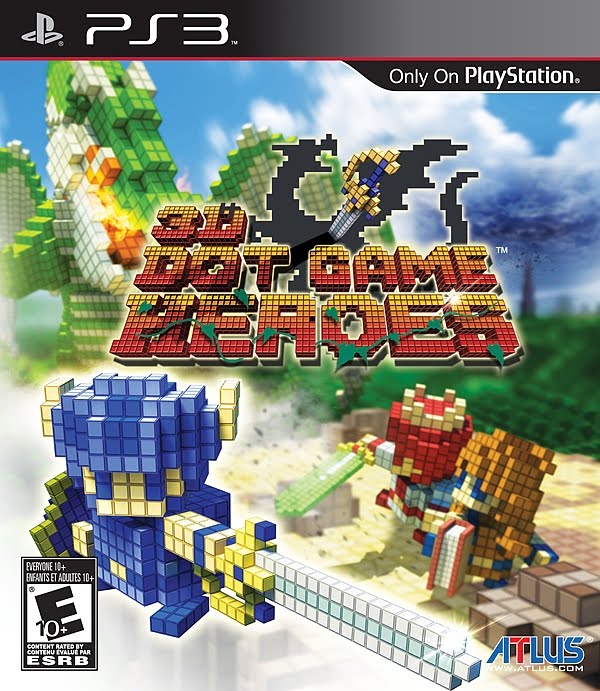
Without a doubt one of the best “retro” games to date that’s not a homebrew creation, 3D Dot Game Heroes perfectly blends old-school gameplay elements and today’s console technology with the end result being an instant classic no PS3 owner should miss. It’s easy to look at screen shots or poke around on a message board and read about simplistic comparisons to The Legend of Zelda or other favorite 8-bit adventure RPGs, but the game is a lot more rewarding than a mere clone if you know your gaming history. Obvious plot and gameplay elements aside, 3DDGH is a pretty darn funny trip through the 8-bit era with a decidedly modern spin.

Continue reading

Review: Deadly Premonition

Platform: Xbox 360

Developer: Access Games

Publisher: Ignition Entertainment

# of Players: 1

Rating: M (Mature)

Official Site

Score: A-


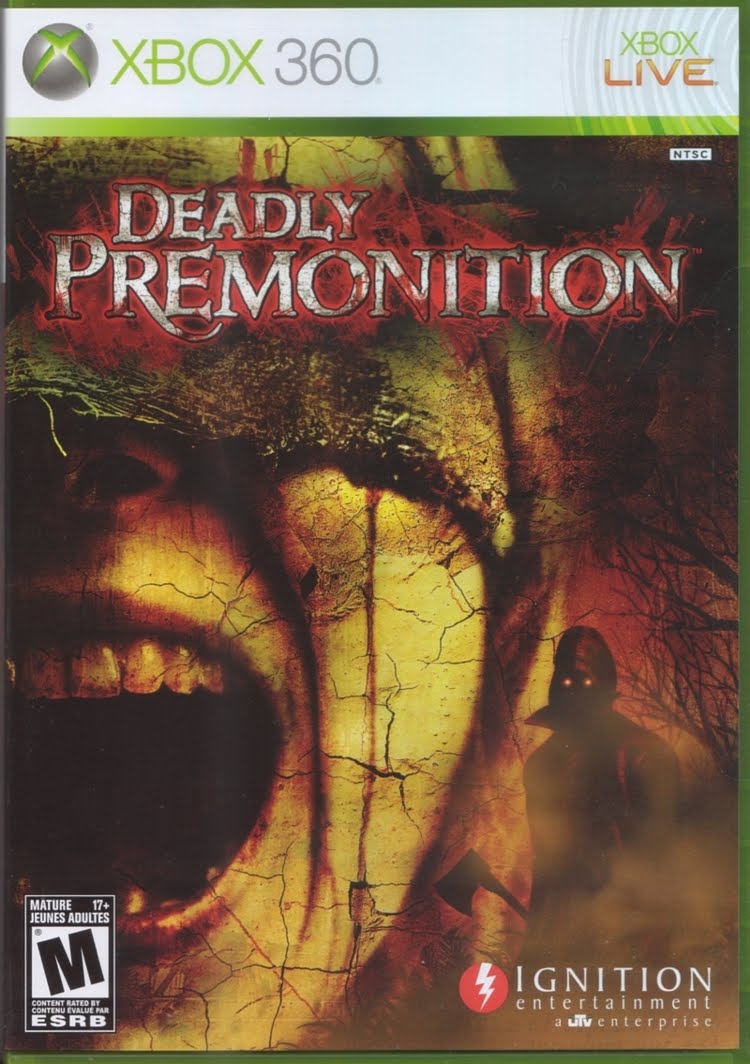
Deadly Premonition
just might be a tipping point for certain gamers who don’t quite trust mainstream review sites for any number of reasons. Sure, if you apply the now boring “by today’s standards…” mantra to every aspect of the game, it deserves a low score for failing to have stunning graphics, online multiplayer modes, flawless controls and so forth and so on. On the other hand, if you approach DP as a game experience that’s going to be (outside of yearly sequels and games trying to copy other games) wholly unique… well, hell – welcome to paradise. Granted, it’s a twisted paradise of survival horror, intentional comedy, open world exploration, police car driving and a main character that’s crazy as a herd of cows on a crack binge.

Continue reading

Review: Alice In Wonderland (Wii)

Platform: Nintendo Wii

Developer: Etranges Libellules

Publisher: Disney Interactive Studios

# of Players: 1 – 2

Rating: E10+

Official Site

Score: B-

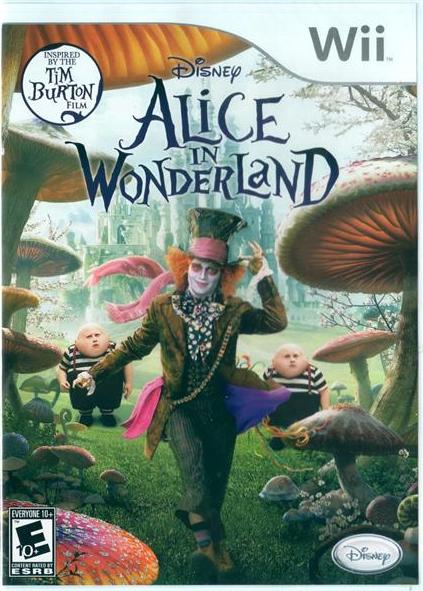
As with the Nintendo DS/DSi version of Alice In Wonderland, developer Etranges Libellules has done a great job, transforming what could have been a boring platform-hopping romp into a visually stunning, simple to play (yet challenging at times) experience. The Wii version uses the film’s look and much of its major voice talent with excellent results and while it’s not the longest game on the planet, a few tricky puzzles and combat should keep you entertained There’s co-op play here for those that crave companionship or want to share the fun, but it’s not quite perfect and actually can make the game a bit harder in some areas. Continue reading

Review: Alice In Wonderland (DS)

Platform: Nintendo DS

Developer: Etranges Libellules

Publisher: Disney Interactive Studios

# of Players: 1

Rating: E10+ (Everyone 10+)

Official Site


Score: A

When it comes to licensed movie games, the DS usually gets the short end of the stick and that stick usually has a particularly blunt end. With much less memory to work with, movie games squeezed onto the handheld (generally in record time) often show off the handheld’s limitations rather than its strengths. On the other hand, every so often you’ll see games that take what the system can do and combined with more stylized visuals and truly fun gameplay, manage to impress as much as (or more than) the console versions. Continue reading

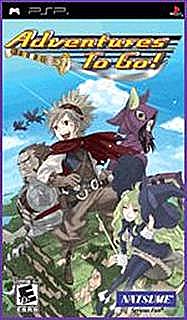
Review: Adventures To Go

Platform: PSP

Developer: GAE

Publisher: Natsume

# of Players: 1

Rating: E10+

Official Site


Score: B+

As dungeon hacks go, Natsume’s PSP sleeper Adventures to Go is a solid bit of portable gaming JRPG fans should take to like ducks to water. The game also has just enough appeal in its pick up and play mechanics and user-generated random maps that RPG-ers not accustomed to spiky haired, oddly costumed characters and wacky humor may want to take a peek at what’s here. If you’re in the mood for some sort of benchmark in gaming innovation, you won’t find it here. Things start out and stay fairly generic, but there’s a nicely done (and pretty funny) twist a few hours in that really freshens up the remainder of the game’s running time. Actually, how long you’re diving into these dungeons is completely up to you, as clever players will want to experiment with a near endless mixing of level and creature types as they reap in the gold and treasures.

As Finn Courtland, a young would-be treasure hunter extraordinaire, you’ll set out more or less down the road from your house to the titular agency, a guild of sorts where adventurers set out for fun and profit in dungeons they create. You’re is joined by three other party members as the game continues – Alina, a young witch who forces you into taking her along as your partner, Garron, a burly knight type and “Cat”, a shadowy thief with speed and skills that make her a value to the team. Each character is quite useful in battle in a few key areas such as the number of spells they can carry to whether or not they’re good at reading magic glyphs or opening trapped chests. Expect to do a lot of stat checking as your adventure goes on, as new gear becomes available as soon as a new plot point opens up.

How and when you run into your teammates is based on how far you’ve advanced the plot by completing certain fetch or personal quests. This allows players to stretch things out a bit or even greatly by avoiding main quests and simply creating random maps to explore for as long as you like. Creating maps is a cinch – all you do is boogie on up to the ATG counter, select a few terrain and creature options, choose an Event if you have an Event (or other type of) Ticket, pay for your choices and head into the field. Initially, you can play a bunch of free or relatively inexpensive maps, but as the game goes on, new terrain, creature and Ticket types will expand the fun as they lighten your wallet.

If you find yourself advancing the plot too quickly or running low on funds, there’s an easy to locate Quest Reset switch in each dungeon. This allows all the previous quests you’ve completed for the villagers to be reset so you can earn extra money. Redoing most of these missions is fairly easy, as your team is going to be a lot more powerful and you’ll know which types of terrain you’ll require from your previous attempts. For the most part, it’s hard to become stuck in a mission thanks to a few handy hints you’ll get in town from the village scholar or one of the handful of NPC’s in the game. There are a few later quests that seem vague even with hints, but that’s where your memory of previous dungeon and creature types will come in handy.

On the field, combat is all turn-based random battles, taking place on the field using a grid format where faster allies and enemies get to do their thing first. The game swipes and enhances a nice bit from classics such as Nethack and Rogue, where movement, attacking, using a spell or item counts as an action in combat. In ATG, however, you expend Action Points while fighting, so doing too many moves can leave you defenseless. You quickly learn to streamline your actions early on, saving up at least two points for defense or automatically attacking an enemy that comes into your range. Alina and Cat can use ranged weapons (bows and boomerangs, respectively) and Garron has access to spears and pikes that extend his reach up to three squares. Finn uses swords of differing strengths as well as attack types and each character can equip a main and backup weapon, switching them out in combat with a tap of the L trigger.

Each of the party members is skilled with specific weapons, but everyone can carry and use spell crystals, a good thing against the game’s tough mid and main bosses. Obviously, Alina can carry the most spells (eight), so she’s going to be the go-to gal and magic heavy hitter, but don’t neglect your other members, especially when it comes to healing and status relief. Unlike most JRPGs, you don’t have magic points to expend at all. You mix spells by combining crystals and assign the spells to your party members. Up to nine crystals for each spell can be held, but Garron is limited to two spells, Cat can carry five, and Finn makes do with four. As you play, you’ll discover new spell recipes, so you;ll need to cook those up and replace older spells as the game continues.

While the no MP thing might tick off some gamers, it’s a fun system once you start finding and using recipes. You can make magic crystals any time except during combat, but newly created and equipped crystals aren’t charged until you go home and rest for the night You’ll generally need all the crystals you can buy or find, but selling off useless or extra gear is as easy as visiting ATG HQ and hitting the four shops there. One slight quirk for those who prefer long, long dungeon dives is once you leave a dungeon, it becomes night and you need to go home and rest. This forces you to come back and set up a new dungeon each time you want to get your treasure hunting thing on. It’s not that bad, as killing lots of monsters rewards you with stat-boosting medals every so often, sometimes while you’re in a map, other times when you return home from an adventure.

Visually, things are really nice looking overall, with excellent character art and some cool looking bosses. Some of the normal creatures you’ll come across are pretty comical-looking and yes, there are the occasional palette swapped monsters here and there. While you never see your team in new armor, the weapons each have a different look, a very nice touch. The game has fun with enemy and item descriptions, making ATG more lighthearted than much of today’s JRPG fare. The music is really nicely done, with the different terrain types getting their own themes. The battle music is fine, which is a good thing as you’ll be hearing it quite frequently. Don’t expect any voice acting here, but you’ll get a few chuckles from the writing, particularly Finn’s and Alina’s jabs at each other and a bit of humorous stuff when the plot twist pops in later on.

The game constantly pokes fun at itself every chance it gets. A few Event Ticket events are boss battles dramatically set up at times before Finn or someone off camera makes a joke about the pre or post-battle elements. Finn’s meetings with the Scholar start off with the old guy saying how long it’s been since he’s dropped by and Finn commenting on his just being their not too long ago. And in case you’re trying to fit your mind around the rationale for a guild that makes adventures to go with monsters, treasure and other goodies that can be called up at will, the game even pokes fun at that. You’ll have to see where this particular part goes as the game progresses, but trust me, it’s a pretty darn amusing take on random dungeon diving and its effects on just where all those things come from..

In terms of longevity, if you barrel straight through, stopping only to level up accordingly (most of the bosses past the third hour or so are pretty brutal if you’re under prepared), the game can be completed in about 15-20 hours or so. On the other hand, between the myriad of level types, “rare” monsters to track down the occasional Poker game in the random Casino that pops up as an event and other diversions, you can easily double or triple the time spent. For a game with one town and a paltry for locations, ATG has a way of keeping you grinding ’til the wee hours and then some. While I’m fine with this being a solely single-player experience, it would have been nice to see some sort of multiplayer option or the ability to trade items and/or magic crystals with fellow ATG’ers.

On the other hand, as this game is only a GameStop exclusive and currently not available as a PSN Store download, it would be a bit tricky to track down someone else who has a copy of this game to trade with. Nevertheless, if you can dig up a copy, Adventures to Go is a great little game with no epic delusions about it at all. It’s just pure fun, breezy dungeon-scented goodness from start to finish.

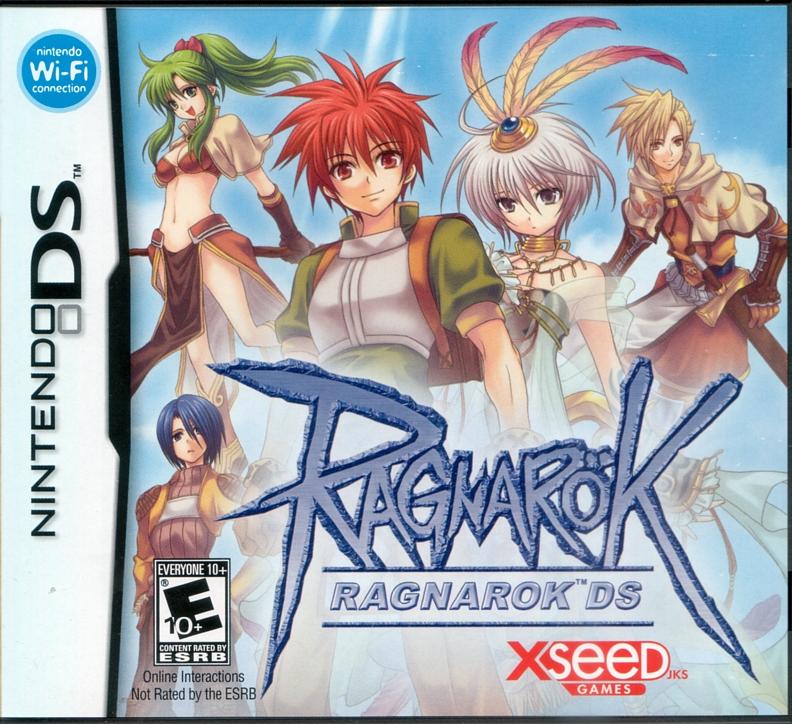
Review: Ragnarok DS


Developer: Gravity Co./GungHo Works

Publisher: Xseed Games

# of Players: 1 (1 – 3 Wi-Fi)

Rating: E10+

Official Site

Score: B

Squeezing a MMORPG down onto a handheld system is a pretty dangerous thing to do when you think about it. For starters, if the game is too condensed from the original PC iteration, longtime fans will want the scalps of the programmers and publishers for ruining their favorite game. On the other hand, if the game goes completely away from what’s expected and tries to innovate too much, unless it does everything new right, it may alienate fans while it tries to please new players. Gravity and GungHo Works have managed to make Ragnarok DS an excellent example of bringing old and new elements together in a supremely addictive dungeon crawler geared towards new and old fans of their online classic. The game pulls you into its world with a nice combination of action and humor, plenty of quests to keep you busy and a fun, challenging multiplayer tower that allows up to three players to explore and battle monsters via Wi-Fi.

Continue reading

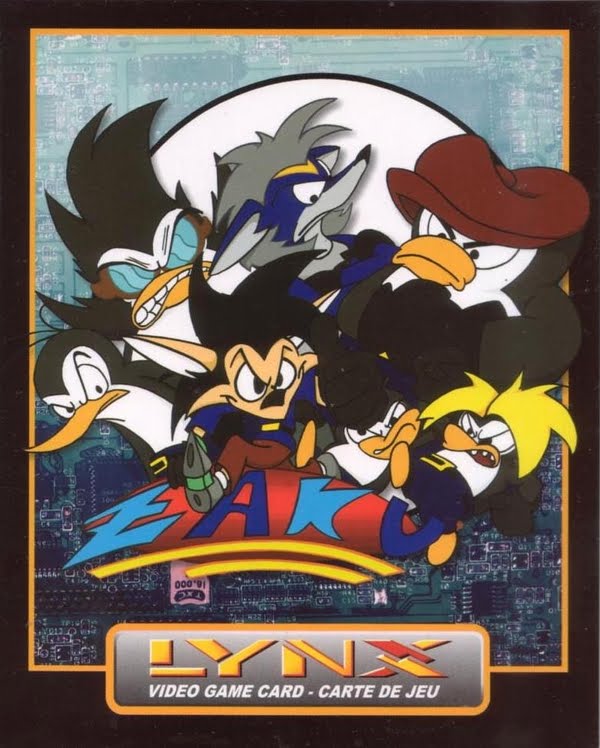
Review: Zaku

Platform: Atari Lynx

Developer: PenguiNet

Publisher: SuperFighter Team

Players: 1

Rating: E (Everyone)

Official Site

Score: A+

Dust off that Atari Lynx* and get ready for some hardcore shmup action – Zaku is finally here and it’s an instant classic that you don’t want to miss. SuperFighter Team and developer PengiNet have cooked up a solid and spectacularly tough 4 Meg chunk of horizontal arcade shooting set in 16 stages set over five worlds packed with big-eyed cartoon enemies and wacky screen-filling bosses that will give you candy-colored nightmares on each of its difficulty levels. The game is a near-perfect throwback to the days of classic 8 and 16-bit shooters and every level, every second of the game oozes quality, if not sheer programming genius. How this is running on the Lynx and looking as great as it does is a wonder, but it truly shows just how powerful (and under appreciated) the hardware was (and is).

Continue reading

Review: Divinity II: Ego Draconis

Platform: Xbox 360 (also on PC)

Developer: Larian Studios

Publisher: CDV

# of Players: 1

Rating: M (Mature)

Official Site

Score: B+

Featuring a vast game world fun to explore,
many quests to take (or perhaps ignore),
Divinity II, that new Larian lore
more than deserves the posted score

It’s got some quirks (but don’t games all?)
mayhaps a patch will raise things tall
Still, for adventure, heed well my call
What’s here is tops from wall to wall!

Plain old good to flat out great RPG’s make me wax poetic from time to time and as it deftly straddles the fence between those two poles, Divinity II: Ego Draconis gets 2010 off to a fine start in grand style for genre fans. Sure, it wears some of its PC origins on it sleeve a bit too proudly, yet the game is quite addictive and indeed, very highly playable for hours on end. Despite some pesky technical issues that rear their ugly heads, the game is also often quite good to look at provided you aren’t wistfully recalling something else while playing. Warts and all, you can’t knock developer Larian Studios for bringing this sequel to the stellar 2001 PC RPG Divine Divinity to the 360. The first game was an instant classic (it’s been an automatic install on the three PC’s I’ve had since 2001) and what’s here comes very close to being equally as fun an experience. If you’re looking for depth and a flat out huge and fun world to explore, Div II delivers and lets you keep the change.

Continue reading

Review: Dragon Age: Origins


Platform: PlayStation 3/Xbox 360

Developer: BioWare

Publisher: EA

# of Players: 1

Rating: M (Mature)


Official Site

Score: A

Has BioWare ever made a bad game? I’m inclined to shout a defiant “No” towards the heavens, as I’ve enjoyed everything they’ve ever done, warts and all. Hell, I may be somewhat biased here, but at least I’m definitely right (that’s a little in-joke, by the way). Anyway, in terms of their RPG output, the company has a superb track record with everything from the Baldur’s Gate, Icewind Dale and Neverwinter Nights games to Knights of the Old Republic, Jade Empire and even oddities such as Sonic Chronicles: The Dark Brotherhood. Of course, their two current console projects, the upcoming Mass Effect 2 and the recently released Dragon Age: Origins will be the games on RPG fans’ lips and minds for quite some time thanks to the developer’s ability to craft completely different sub-genres while consistently bringing gamers superb storytelling and deep, challenging gameplay.

Continue reading