

Based on Joseph Roth’s 1939 novella, Ermanno Olmi’s 1988 film, The Legend of the Holy Drinker is about as good as it gets if you’re looking for a bottle of melancholy to sip and sit with that’s also a fine whine of meditative work featuring a flawless performance by Rutger Hauer as the titular homeless drunkard, Andreas Kartack. The film’s somewhat romanticized but still realistically grimy Paris (which looks lovely that way) works well as a character of its own with a solid cast that helps create some of the drama and dilemmas Kartack faces after a stranger gives him 200 francs with the simple request that he repay it by donating the money to a local shrine.
Kartack ends up running into what could be called a run of really good luck for a homeless guy who sleeps under a bridge as in no short order he finds a temporary job, affords himself a few necessities such as a shave, decent food, and the company of women. But his drinking gets in the way of his quickly repaying the loan as does part of his past when he meets up with the lovely Gabby (Sandrine Dumas), a woman he’s got a particularly messy past with. Saying more would ruin the film’s quiet surprises, but Olmi’s assured direction flows along with the wine and supporting actors as Kartack’s luck swings in a few directions.

 Back in 1984, I didn’t see
 Toss the name
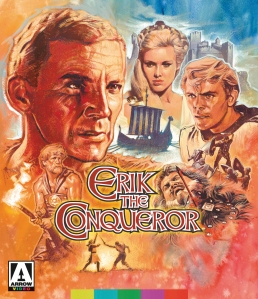 Mario Bava, again. Watching his films or more precisely, rediscovering them after a few decades is turning into a revelation on how insanely creative he was as an all-round filmmaker. Writing/co-writing, directing, designing and a special effects whiz working on limited funds and more. While not all of his work is great, there’s a lot of greatness to see in how well a lot of it came together.
 Some years ago I made the big mistake once of looking up how many


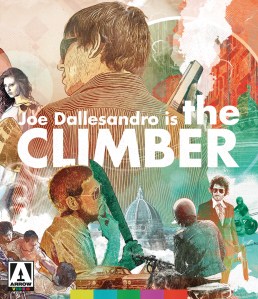 Don’t feel a bit sorry for poor Aldo (Joe Dallesandro) in
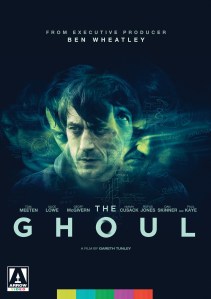 Psychological thrillers can sometimes be an unintentional mixed bag, (no) thanks in part to a certain segment of the moviegoer audience who want everything explained to them in easy to digest (and too easy to debate after the fact) format. If this core doesn’t “get” a film’s intentions, they’ll pounce and trounce it online despite some fine efforts by the filmmakers and solid work by its cast.
 I somehow missed out on Frank Henenlotter’s
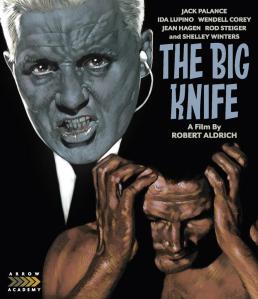 One of those interesting “message” pictures of the 50’s, Robert Aldrich’s 1955 filmed version of Clifford Odets’ 1949 play
 "DESTROY ALL FANBOYS!"